
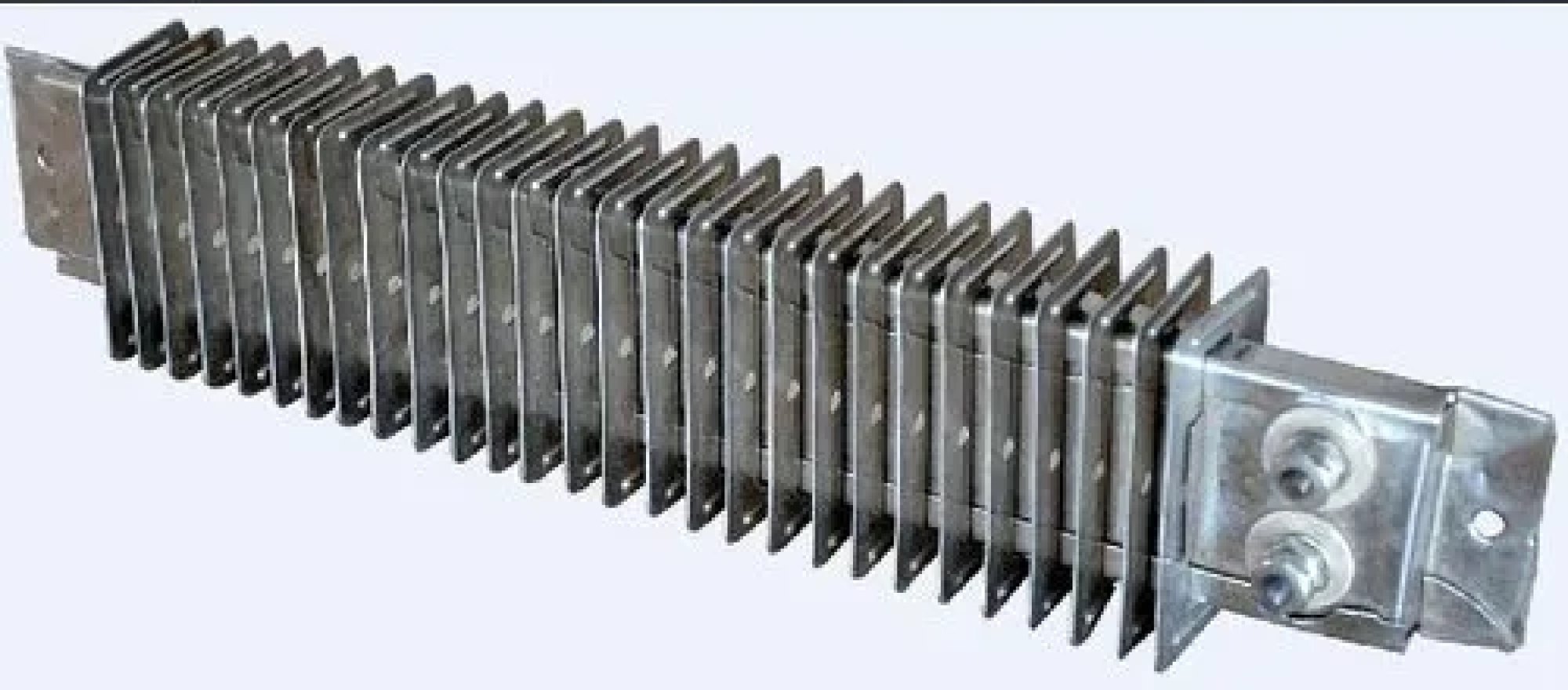
Reliable process heat depends on more than selecting a heater that reaches the right temperature. Electrical ratings determine how safely, efficiently, and consistently industrial heating accessories perform inside real equipment. Understanding these values helps engineers compare cartridge heaters, controls, leads, sensors, and related components before installation.
Nominal Voltage and Operating Tolerances
Nominal voltage identifies the electrical supply a heating component is designed to use, such as 120, 240, 277, or 480 volts. Actual facility voltage rarely stays perfectly fixed, so operating tolerance shows how much variation the unit can handle without overheating, underperforming, or shortening its service life.
Voltage has a direct effect on heat output because resistive power changes with the square of the applied voltage. Excess voltage can produce excessive wattage, while low voltage may prevent the process from reaching its target temperature. Proper selection also requires checking control panels, contactors, fuses, and wiring for the same voltage class.
Wattage Density and Maximum Power Output
Wattage density describes how much electrical power is concentrated across the heated surface area. Higher density allows a compact heater to deliver strong output, but it also raises sheath temperature and increases the risk of material breakdown when heat cannot move away quickly.
Designers match watt density to the heated material, fit, airflow, circulation, and allowable surface temperature. Cartridge heaters installed tightly in metal bores can often operate at higher densities than elements heating still air. Custom industrial heaters may use distributed wattage, lower-density end sections, or multiple heat zones to protect sensitive areas and improve temperature uniformity.
Continuous Amperage Capacity and Inrush Current
Continuous amperage capacity states how much current wiring, terminals, connectors, and switching devices can carry during normal operation. Undersized components may run hot even when the heater itself remains within its rated power.
Startup behavior also deserves attention because cold resistance may produce a temporary current surge. Important checks include:
- Conductor gauge and insulation temperature rating
- Terminal and connector current limits
- Relay, contactor, or solid-state switch capacity
- Fuse or breaker response characteristics
- Expected duty cycle and ambient enclosure temperature
Careful coordination prevents nuisance trips, damaged terminals, and overheated conductors across industrial heating products.
Cold-to-Hot Resistance Ratios
Cold-to-hot resistance ratio compares an element’s resistance before energizing with its resistance at operating temperature. Many metallic heating alloys increase in resistance as they warm, so the heater may draw more current during startup than after reaching steady conditions.
This ratio helps engineers size switching hardware and predict warm-up behavior. Greater differences between cold and hot resistance can create stronger inrush current, especially in high-output banks or multiple cartridge heaters energized together. Sequenced startup, soft-start controls, or staged circuits can reduce stress on electrical distribution equipment.
Insulation Resistance and Leakage Current Limits
Insulation resistance measures how effectively the heater’s internal insulation separates the live resistance wire from the metal sheath or grounded structure. High insulation resistance limits unintended current flow and supports safer operation.
Moisture, contamination, thermal cycling, and insulation damage can lower this value over time. Leakage current limits provide another safety check by defining how much current may pass through insulation under specified test conditions. An industrial heating elements manufacturer may use megohm testing, dielectric strength testing, and controlled bake-out procedures to verify electrical integrity before shipment or after storage.
Single-Phase vs. Three-Phase Wiring Compatibility
Single-phase power commonly serves smaller heaters, laboratory equipment, and lower-capacity process systems. Three-phase power is often preferred for larger loads because it distributes power more evenly and can reduce conductor size for the same total output.
Connection style matters as much as phase availability. Those heaters may use delta or wye wiring, and each arrangement changes the voltage seen by individual elements. Engineers must confirm line voltage, element voltage, total amperage, grounding, branch protection, and control method before energizing equipment labeled for industrial heaters USA applications.
Temperature Coefficient of Resistance (TCR)
Temperature coefficient of resistance, or TCR, shows how much an element’s resistance changes as temperature rises. Materials with a higher positive TCR draw noticeably less current once hot, while alloys with a low TCR maintain more stable electrical behavior across a temperature range.
Accurate TCR data supports current prediction, control tuning, fault detection, and resistance-based temperature estimates. It also helps separate normal resistance changes from signs of element damage or poor connections. Thermal Corporation supplies cartridge heaters and other industrial heating accessories for applications that require defined voltage, wattage, resistance, insulation, and wiring characteristics, giving equipment builders a practical source for matching heater construction to process and electrical demands.