
Chemical pesticides work, but they come with trade-offs: residues on surfaces where children and pets spend time, toxicity concerns with repeated exposure, and the growing problem of pesticide resistance in common household pest populations. Natural pest control is not a compromise position. For most common household pests, natural methods work as well as or better than commercial chemical products when applied correctly and consistently. This guide covers the most reliable approaches for the pests that matter most.
The Principle Behind Effective Natural Pest Control
Chemical pesticides typically work through acute toxicity: they kill insects on contact or shortly after contact. Natural pest control often works through different mechanisms: disrupting chemical communication, contaminating food sources, blocking entry points, or working through slow-acting bait systems that allow pests to carry toxic material back to the colony before dying. Understanding which mechanism applies to your target pest helps you choose the right method and apply it correctly.
Ants
Ant infestations are among the most common household pest problems and also among the most consistently solvable with natural methods. The most effective natural approach for eliminating an ant colony rather than just the visible workers is a slow-acting bait system. Borax for ants works on exactly this principle: borax mixed with a sweet attractant is carried back to the colony by worker ants, who share the bait with the queen and other workers through their normal food-sharing behavior. The colony collapses over days rather than hours, which is actually more effective than contact killers that only eliminate the workers you can see while leaving the colony intact underground.
For entry point management, common household ingredients like diatomaceous earth, cinnamon, and citrus peel create deterrent barriers at gaps, cracks, and doorframes. These work by discouraging entry rather than killing ants, and they need to be refreshed after cleaning or rain. Sealing entry points with caulk is the most permanent solution for recurrent entry through specific locations.
Cockroaches
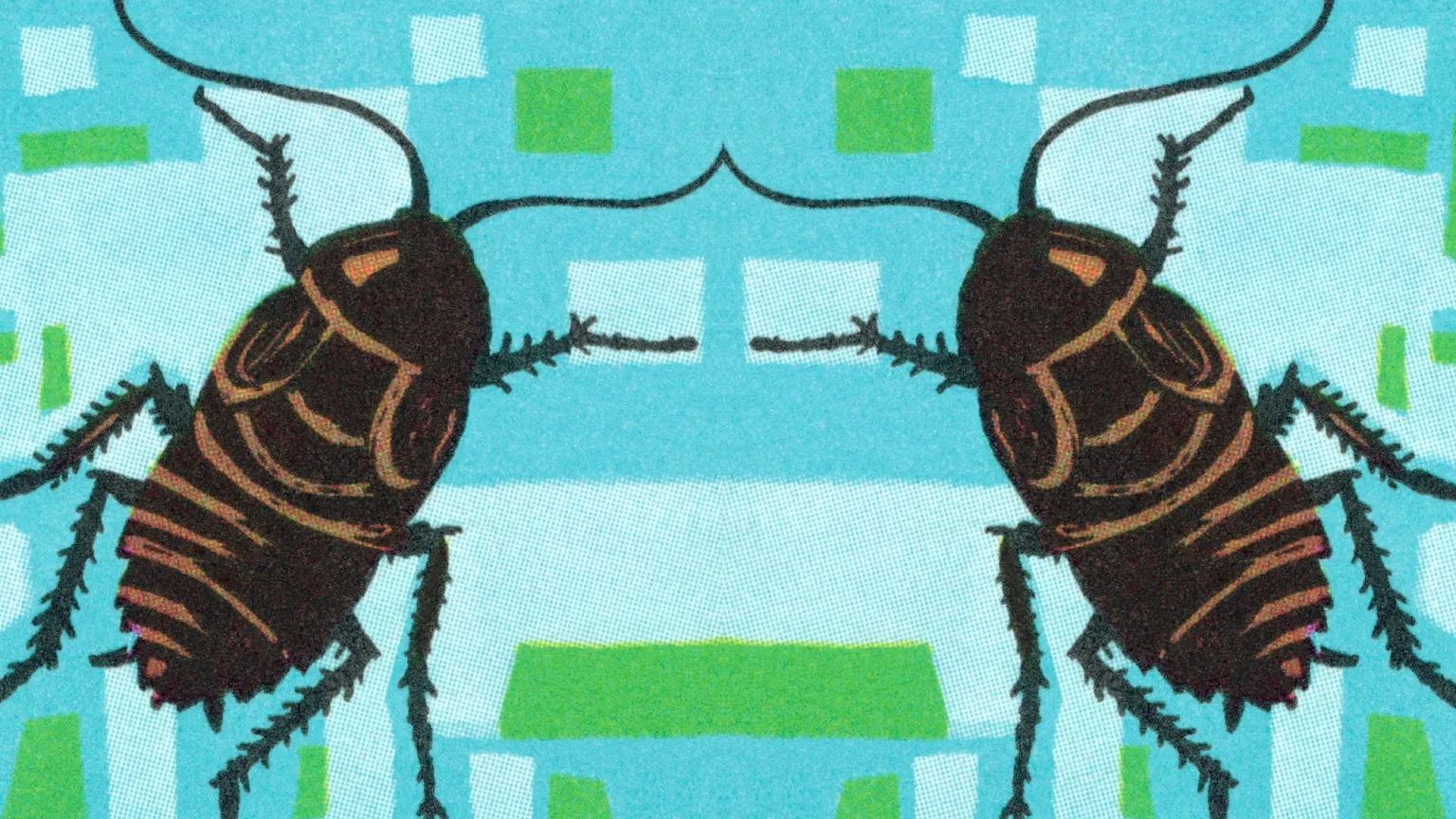
Cockroaches are resilient, nocturnal, and excellent at avoiding the areas you spray during the day. Boric acid dust is one of the most effective natural control agents for cockroaches. Applied in a thin layer in areas cockroaches travel through, behind appliances, inside cabinet hinges, and along baseboards, boric acid adheres to the insects’ bodies and is ingested during grooming, damaging the digestive system and nervous system. It is dramatically less toxic to mammals than most commercial insecticides at application concentrations, but should be kept away from food preparation surfaces.
Diatomaceous earth works through a different mechanism: the microscopic sharp particles of fossilized algae damage the waxy outer layer of the insect’s exoskeleton, causing fatal dehydration. It is effective but requires dry conditions to maintain its activity, making it less useful in humid areas of the home.
Fruit Flies
Fruit fly infestations develop from eggs laid in overripe fruit, vegetable debris, and organic matter in drains. The most effective approach is source elimination first: remove overripe fruit, clean the inside of bins, and flush drains with boiling water and baking soda. Apple cider vinegar traps (a jar with a few tablespoons of apple cider vinegar, a drop of dish soap, and a funnel or plastic wrap cover with small holes) capture and drown adult flies efficiently. Combined with source elimination, this resolves most fruit fly infestations within a week.
Moths
Pantry moths (Indian meal moths) lay eggs in grains, flour, cereals, and dried fruit. Prevention is the most effective strategy: store all dry goods in sealed glass or hard plastic containers, and freeze new grain products for 48 hours before adding them to the pantry to kill any eggs already present. Cedar blocks and sachets of dried lavender, rosemary, or mint deter clothes moths in wardrobes. Pheromone traps catch adult male pantry moths and disrupt reproduction, reducing population over several weeks.
Mice
Natural mouse deterrents include peppermint oil applied to cotton balls and placed at entry points, steel wool packed into gaps and holes (mice cannot chew through it), and dried mint or cloves used as deterrents in problem areas. These work as deterrents rather than eliminators, meaning their primary value is in prevention and in making treated areas less attractive. For an active infestation, snap traps baited with peanut butter remain the most effective and immediate solution, without any chemical residue.
Silverfish
Silverfish thrive in damp, dark spaces with organic material to feed on. Reducing moisture through improved ventilation and dehumidification addresses the environmental conditions that support them. Diatomaceous earth applied along baseboards and in gaps is effective as a physical control. Cedar sachets in storage areas deter them from paper and textile storage spaces. Like most household pests, silverfish respond well to an integrated approach that combines environmental modification with targeted physical controls.
Building a Pest-Resistant Home Environment
The most effective long-term pest control strategy is environmental management that makes your home inhospitable to pests rather than reactive treatment after infestations establish.
• Seal all gaps and cracks in the building envelope, particularly around pipes, utility penetrations, and door and window frames
• Store food in sealed containers; this single measure eliminates the resource that sustains most pantry pest populations
• Manage moisture: most household pests including cockroaches, silverfish, and fungus gnats require damp conditions to thrive
• Maintain a clean kitchen with no food residue on surfaces, behind appliances, or in bin areas
• Create a perimeter: keep firewood, mulch, and leaf litter away from the home’s foundation to eliminate harborage near entry points
A home managed this way requires far less reactive pest control of any kind, natural or chemical, because the conditions that support pest populations simply do not exist.