
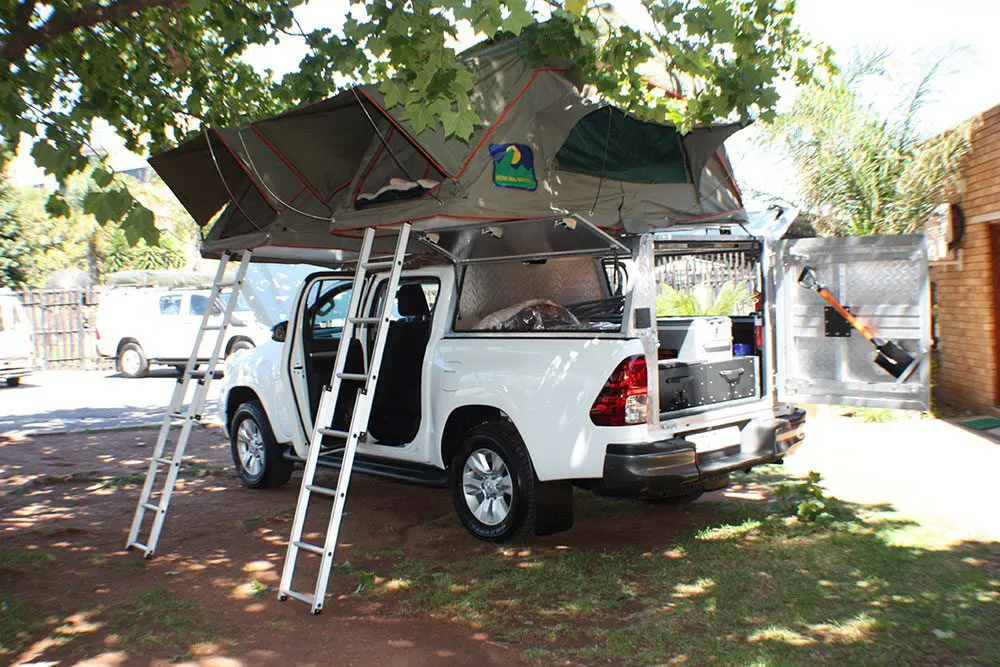
Cost of a Gorilla Trekking and Great Migration Safari in East Africa
Introduction: How Much Does a Gorilla Trekking and Great Migration Safari Cost?
The cost of a gorilla trekking and Great Migration safari in East Africa depends on your destination, travel season, accommodation preferences, number of travellers and the duration of your adventure. This unique safari combines an unforgettable encounter with endangered mountain gorillas in Uganda or Rwanda with the spectacular Great Wildebeest Migration in Tanzania’s Serengeti National Park or Kenya’s Maasai Mara National Reserve.
Travellers can choose a Uganda gorilla trekking safari and Tanzania Great Migration safari, a Rwanda gorilla trekking safari and Kenya wildlife safari, or an extended East African adventure covering several countries. Each combination offers different wildlife experiences, travel arrangements and budget requirements.
As a general planning guide, a 9–14-day gorilla trekking and Great Migration safari may cost approximately US$3,000–US$7,500 per person, excluding international flights. Budget camping trips may cost less, while luxury safaris with premium lodges, private transfers and domestic flights can cost considerably more.
This guide explains the main expenses, compares safari options and provides practical tips for planning an affordable and memorable East African safari.
- Average Cost of a Gorilla Trekking and Great Migration Safari
The total safari cost depends on whether you choose Uganda or Rwanda for gorilla trekking and Tanzania or Kenya for the Great Migration.
| Safari combination | Suggested duration | Estimated cost per person |
|---|---|---|
| Uganda gorillas and Tanzania Great Migration | 10–14 days | $3,500–$6,500 |
| Rwanda gorillas and Tanzania Great Migration | 10–14 days | $4,000–$7,500 |
| Uganda gorillas and Kenya Maasai Mara safari | 9–13 days | $3,000–$6,000 |
| Rwanda gorillas and Kenya Maasai Mara safari | 9–13 days | $3,500–$7,000 |
| Uganda gorillas, Tanzania Serengeti and Kenya Maasai Mara | 14–18 days | $5,000–$10,000+ |
These figures are indicative planning estimates for international visitors, not fixed tour prices. The final quotation depends on the travel dates, gorilla permits, park fees, accommodation, flights, transport and group size. Confirm current permit tariffs and supplier rates before booking.
- Gorilla Trekking Permit Costs in Uganda and Rwanda
Gorilla trekking permits are among the most important expenses when planning this safari. A permit allows a visitor to participate in a guided trek to observe a habituated mountain gorilla family under the rules of the relevant national park.
Uganda gorilla trekking costs
Uganda offers mountain gorilla trekking in Bwindi Impenetrable National Park and Mgahinga Gorilla National Park. These destinations are popular with travellers seeking an immersive forest experience before continuing to Tanzania or Kenya for a wildlife safari.
For budgeting purposes, international visitors can use approximately US$800 per person as a preliminary permit estimate, subject to confirmation of the applicable tariff for the travel date and visitor category.
Other expenses may include transport to southwestern Uganda, accommodation near the trekking area, meals and onward transfers or flights.
Uganda is also attractive for travellers who want to combine gorilla trekking with chimpanzee tracking in Uganda or wildlife viewing in Queen Elizabeth National Park.
Rwanda gorilla trekking costs
Rwanda offers gorilla trekking in Volcanoes National Park, in the Virunga Mountains near Musanze. The park is known for its mountain gorillas, volcanic landscapes and accessibility from Kigali.
The standard gorilla trekking permit price for international visitors has been US$1,500 per person. Confirm the current official rate, eligibility for any special category and booking conditions before making a payment.
Rwanda can be particularly convenient for shorter itineraries because the journey from Kigali to the Volcanoes National Park area is relatively straightforward. However, the higher permit cost can increase the total price of a combined safari.
For travellers interested in exploring more of the country, a Rwanda wildlife safari or a Rwanda self-drive safari may offer additional experiences before or after gorilla trekking.
Which destination is cheaper for gorilla trekking?
Uganda generally has a lower standard gorilla permit price than Rwanda, which can make it a more affordable starting point. However, the overall cost also depends on transport, accommodation and how easily the gorilla destination connects with the Great Migration safari.
Travellers should compare the complete itinerary rather than selecting a destination based on the permit price alone.
- Cost of the Great Migration Safari in Tanzania
Tanzania is one of the best destinations for witnessing the Great Wildebeest Migration. Millions of wildebeest, accompanied by zebras and other grazing animals, move through the Serengeti ecosystem in search of fresh grass and water.
The location of the herds changes throughout the year, so your travel dates should determine which part of the Serengeti you visit.
Serengeti safari costs
A 4–6-day Serengeti and Great Migration safari may cost approximately:
- Budget camping safari: US$1,000–$1,800 per person.
- Mid-range lodge or tented camp safari: US$1,800–$3,000 per person.
- Luxury migration safari: US$3,000–$6,000 or more per person.
These are indicative ranges for planning and can vary significantly with season, group size, accommodation location, flights and included park charges.
A typical Tanzania migration safari may include Serengeti National Park, Ngorongoro Conservation Area and, depending on the season, the Ndutu plains or northern Serengeti.
Read our guide to the Great Migration in Tanzania to understand the seasonal movement of the herds and choose a suitable safari period. You can also explore our Serengeti National Park safari guide for information about wildlife viewing and trip planning.
Best time to see the Great Migration in Tanzania
January to March: Wildebeest calving season
The southern Serengeti and Ndutu plains are important calving areas. This period is ideal for visitors interested in newborn wildebeest, predator activity and the dramatic interactions between grazing animals and carnivores.
Learn more about the Serengeti wildebeest calving season and the best time to visit Ndutu for wildebeest calving.
April to June: Movement towards the western Serengeti
Herd movements vary with rainfall and grazing conditions. The western corridor and Grumeti region may provide excellent wildlife viewing opportunities during parts of this period.
July to October: Northern Serengeti and river crossings
The northern Serengeti is a popular area for visitors hoping to witness wildebeest approaching or crossing the Mara River. Crossings are unpredictable and cannot be guaranteed on a particular day.
November to December: Movement towards the southern plains
As seasonal rains influence grazing conditions, portions of the herds move back towards the eastern and southern Serengeti ecosystem.
For the best value, choose your dates first and then select accommodation near the expected migration area. This can reduce unnecessary driving and help maximise wildlife viewing time.
- Cost of the Great Migration Safari in Kenya
Kenya’s Maasai Mara National Reserve is another famous destination for the Great Migration. During parts of the year, large numbers of wildebeest and zebras move into the Mara ecosystem from Tanzania.
A 3–5-day Maasai Mara safari may cost approximately:
- Budget camping safari: US$600–$1,000 per person.
- Mid-range lodge or tented camp safari: US$1,000–$2,000 per person.
- Luxury safari: US$2,000–$4,000 or more per person.
Actual prices depend on the number of travellers, reserve or conservancy location, accommodation standard, park and conservancy charges, transport and season.
July to October is a popular period for migration-focused visits to the Maasai Mara. However, the herds do not arrive or cross rivers according to a fixed schedule, so sightings are never guaranteed.
Travellers combining Rwanda or Uganda gorilla trekking with the Maasai Mara should consider the cost of flights between countries, transfers to the gorilla trekking area and any applicable border or immigration requirements.
Explore our Kenya Great Migration safari guide for more information about planning a wildlife trip to the Maasai Mara.
- Additional Expenses for a Gorilla and Great Migration Safari
A combined safari involves more than permits and accommodation. Understanding the additional expenses helps you prepare a realistic travel budget.
International and regional flights
International flights to East Africa are usually budgeted separately. Regional flights between Kigali, Entebbe, Kilimanjaro, Arusha, Nairobi and other destinations can add several hundred dollars per person or more, depending on the route and season.
The best flight itinerary depends on where you start and finish the safari. An open-jaw international ticket, arriving in one city and departing from another, may reduce unnecessary backtracking.
Safari vehicle and guide
Private safari vehicles provide flexibility for game drives, photographic stops and transfers between destinations. A guided 4×4 safari may be more practical for travellers combining several countries, especially when domestic flights and remote parks are involved.
Independent travellers can also explore selected destinations through East Africa 4×4 car rental or self-drive safari options in East Africa. Before booking a cross-border vehicle, check vehicle permissions, insurance, border requirements and road conditions. Gorilla trekking itself must be conducted under the relevant park’s authorised guiding arrangements.
Accommodation
Accommodation can account for a substantial portion of the total safari budget. Options include campsites, budget lodges, mid-range tented camps and luxury lodges.
Staying near the relevant gorilla trekking headquarters can make an early morning trek easier. In the Serengeti or Maasai Mara, accommodation near the expected migration area can reduce travel time during game drives.
Park fees and conservation charges
In addition to gorilla permits, travellers may pay national park entry fees, conservation charges, concession fees, camping fees and vehicle charges. Whether these are included in the advertised safari price depends on the operator and package.
Always request an itemised quotation showing which park fees and taxes are included.
Meals, tips and optional activities
Some packages include all meals, while others include only breakfast or selected meals. Additional expenses may include drinks, guide tips, laundry, travel insurance and optional experiences such as a hot-air balloon safari.
A balloon safari over the Serengeti or Maasai Mara can add a significant amount to the budget and should be treated as an optional extra unless explicitly included.
- Sample 12-Day Uganda Gorillas and Tanzania Great Migration Safari
This itinerary illustrates how travellers can combine gorilla trekking in Uganda with wildlife viewing in Tanzania. The sequence can be adjusted according to flights, migration location and permit availability.
Days 1–2: Arrival in Uganda
Arrive at Entebbe International Airport and transfer to your hotel. Depending on your arrival time, spend the first day resting or exploring nearby attractions.
Days 3–4: Travel to Bwindi Impenetrable National Park
Travel to the gorilla trekking region, with an overnight stay near the appropriate trekking sector. Road transfers can be long, so an additional travel day may be worthwhile.
Day 5: Mountain gorilla trekking
Join an authorised guided trek in Bwindi. The duration depends on the gorilla family’s location and forest conditions. Return to your lodge after the trek.
Day 6: Transfer and onward travel
Travel towards the airport for your onward connection to Tanzania, subject to flight schedules. In some cases, an overnight stop may be necessary.
Days 7–8: Ngorongoro or the Serengeti ecosystem
Begin your Tanzania wildlife safari. Visit Ngorongoro or travel directly towards the Serengeti, depending on the chosen route and migration season. Our Ngorongoro Crater safari guide provides further information about including the crater in your itinerary.
Days 9–11: Great Migration safari
Spend time in the part of the Serengeti most appropriate for your travel dates. Activities typically include morning and afternoon game drives, wildlife photography and opportunities to observe wildebeest, zebras, lions, cheetahs and other wildlife.
Day 12: Departure
Transfer to an appropriate airport for your international departure or onward travel. Depending on your final safari location and flight schedule, an extra night may be needed.
This itinerary is a planning example rather than a fixed schedule. Flight connections, gorilla permit availability and the location of the migration herds must be confirmed before booking.
- How to Reduce the Cost of a Gorilla Trekking and Great Migration Safari
There are several ways to make this combination more affordable without compromising the main wildlife experiences.
Travel with a group. Sharing a private safari vehicle and guide can reduce the per-person transport cost. Gorilla permits are generally charged individually, so the savings are more noticeable on transport and accommodation.
Choose mid-range accommodation. Comfortable lodges and tented camps can offer a good balance between price, location and service. You do not need to book the most expensive lodge to enjoy exceptional wildlife viewing.
Book permits and accommodation early. Gorilla trekking permits are limited, and popular migration camps can sell out during peak season. Early planning can provide more choice and reduce the need for expensive last-minute arrangements.
Match the itinerary to the season. Decide whether you want to prioritise calving season or northern Serengeti river crossings. An itinerary built around the correct migration area can avoid costly and time-consuming transfers.
Compare complete packages. One quotation may appear cheaper because it excludes park fees, transfers, meals or accommodation. Compare the full itinerary and inclusions before making a decision.
Consider Uganda for gorilla trekking. Uganda’s lower standard permit price may offer savings, especially for travellers who are flexible about the overall route.
- Is a Gorilla Trekking and Great Migration Safari Worth the Cost?
For many wildlife enthusiasts, this combination offers two of Africa’s most distinctive wildlife encounters.
Gorilla trekking provides the opportunity to observe mountain gorillas in their natural forest habitat under the supervision of authorised guides. The Great Migration offers a different experience, with enormous herds of wildebeest and zebras moving across open plains and predators following their seasonal movements.
The experiences complement one another: one takes place in a dense mountain forest, while the other unfolds across vast savannah landscapes.
The trip can be expensive because it combines a permit-based primate experience with a multi-day wildlife safari. Nevertheless, careful route planning, appropriate accommodation choices and early reservations can help you achieve a rewarding trip within a defined budget.
Frequently Asked Questions
How much does a gorilla trekking and Great Migration safari cost?
A typical 9–14-day trip may cost approximately US$3,000–US$7,500 per person, excluding international flights. Budget camping options may cost less, while luxury itineraries and extended multi-country trips can exceed US$10,000 per person.
Is Uganda or Rwanda cheaper for gorilla trekking?
Uganda generally has a lower standard gorilla trekking permit price than Rwanda. However, the complete cost depends on accommodation, transfers, flights and how the gorilla destination connects with the Great Migration safari.
Can I combine gorilla trekking with the Serengeti Great Migration?
Yes. Travellers can trek gorillas in Uganda or Rwanda and then travel to Tanzania for a Serengeti safari. The itinerary requires careful planning around flight schedules, permit availability and the location of the migrating herds.
Can I combine gorilla trekking with the Maasai Mara migration?
Yes. A Uganda or Rwanda gorilla trekking experience can be combined with a Kenya safari to the Maasai Mara. Regional flights and road transfers should be included when estimating the total cost.
How many days do I need for a gorilla and Great Migration safari?
Allow around 9–14 days for a practical combination of gorilla trekking and a migration-focused wildlife safari. Longer itineraries provide more time for travel, additional parks and multiple game drives.
Does the safari price include gorilla permits and park fees?
Not always. Some packages include gorilla permits, park fees, accommodation, meals, transfers and game drives, while others quote these separately. Request a written breakdown before confirming your booking.
What is the best month for a gorilla and Great Migration safari?
The best month depends on your priorities. January to March is particularly attractive for wildebeest calving in southern Serengeti and Ndutu, while July to October is popular for migration viewing in the northern Serengeti and Maasai Mara. Gorilla trekking is available throughout the year, subject to permit availability and park conditions.
Can I do this safari on a self-drive basis?
Parts of a multi-country safari may be possible on a self-drive basis, depending on vehicle permissions, insurance, border rules and the destinations selected. Gorilla trekking must be arranged through the authorised park system, and a guided safari may be more convenient for a short itinerary involving flights and remote parks.
Plan Your Gorilla Trekking and Great Migration Safari
A well-planned gorilla trekking and Great Migration safari brings together mountain gorillas, the open savannah, spectacular wildlife and the varied landscapes of East Africa. The best itinerary balances the gorilla permit cost, migration season, travel time and accommodation budget.
Whether you choose Uganda and Tanzania, Rwanda and Kenya, or an extended East African safari, compare the full cost before booking and allow enough time to enjoy each destination