
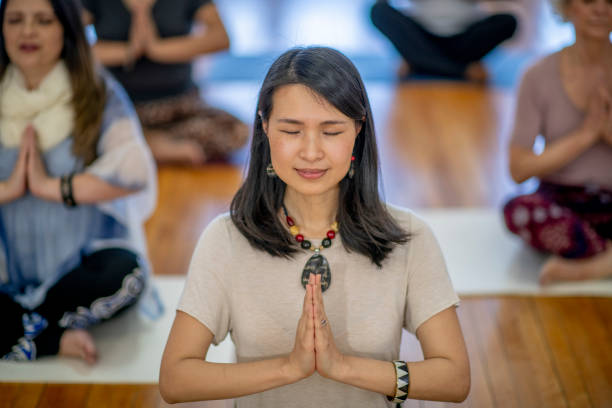
The last day of your course is a strange mix of joy and wobble. You’ve got a certificate, a notebook full of ideas, a handful of new friends and a tan line from your sandals. Then you walk out of the shala and realise nobody is going to hand you a class schedule. The real work of becoming a teacher starts now, and it looks a lot less glamorous than the photos on social media.
This isn’t a pitch for a perfect career plan. It’s a set of grounded, practical ideas for the first year, gathered from the patterns that most new teachers go through. Take what fits and ignore the rest.
Give Yourself a Soft Landing
The first week after your course can be emotionally odd. You’ve been in a protected bubble, surrounded by supportive people and a daily rhythm that made sense. Returning home, or even travelling on, can feel noisy and disorienting. Many graduates feel flat, restless or oddly sad. It’s very common and it passes.
Build in a gentle transition if you can. Spend a few days by the sea or in a quiet town before flying home. Keep practising every morning, even if it’s short. Write down what you learned while it’s fresh, including the cues that stuck and the things you want to try. Treat this period as part of the training rather than a gap before real life.
Start Teaching Right Away, Even Informally
The fastest way to become a good teacher is to teach. Don’t wait until you feel ready, because you won’t. Offer a free class to friends, family or colleagues. Teach in a living room, a garden or a park. Ask for honest feedback and keep notes on what worked.
Informal classes help you find your voice without the pressure of a paying audience. They also build your confidence and give you stories to share. If you completed a YTTC in Bali, you already have a strong foundation, so use it before it fades. Aim for at least one class a week during the first three months, and you’ll notice your pace, cues and presence improving quickly.
Find Your Niche and Your Voice
Not every teacher needs to teach every style. Think about what excites you. Is it gentle restorative classes for stressed people? Strong, athletic flow for the gym crowd? Prenatal yoga? Yoga for older adults? Workplace sessions for tired office workers? Your own experience often points the way.
Your voice matters too. Some teachers are playful, others calm and precise. You don’t need to copy the person who trained you. Listen to recordings of your own classes and notice what feels natural. Over time, your style will settle. A clear niche and an honest voice make it easier for students to find you and keep coming back.
Where to Look for Your First Paid Classes
Start with the places closest to you. Local studios, gyms, community centres, schools, co-working spaces, hotels and corporate wellness programs often need cover teachers or new instructors. Walk in, introduce yourself and offer to cover a class. Bring a short, friendly summary of your training and any teaching experience.
Online classes are another route. Platforms and live-streamed sessions let you reach people beyond your town, and many new teachers use them to build experience. Private clients are also worth considering. One-to-one sessions pay better per hour, and they teach you how to adapt to individual bodies. Be patient. Most teachers piece together income from several small sources before anything feels stable.
Understand the Realities of Income
It’s worth being honest: most yoga teachers don’t get rich. Rates vary widely depending on country, studio and experience. Many teachers combine teaching with another job, at least for the first year or two. Studios often pay per class, and travel time, preparation and admin are rarely counted.
That doesn’t mean it isn’t worth doing. Many people build a fulfilling, sustainable career by adding workshops, retreats, private clients, online memberships and corporate sessions. Keep your expectations realistic and track your income and costs from the start. Avoid taking on classes that cost more than they pay, and learn to say no politely. A calm, gradual approach beats burning out in the first six months.
Keep Learning and Keep Practising
Your certificate is the start of your education, not the end. Keep attending classes, particularly with teachers who challenge you. Do workshops on anatomy, trauma-aware teaching, pranayama or meditation. Read books, listen to podcasts and stay curious about the tradition.
Your own practice is the source of everything you teach. If it dries up, your classes will feel hollow. Protect your personal practice time as seriously as your teaching schedule. Many graduates also return to Bali for an advanced course or a retreat once they know what they want to study next. If you had a good experience with a YTTC in Bali, the school’s alumni network may offer workshops, mentoring or community events.
Build Community and Find a Mentor
Teaching can feel lonely, especially after the closeness of a training month. Stay in touch with your classmates. Set up a group chat, share class ideas and offer feedback to each other. Some graduates arrange monthly video calls to practise teaching together.
Find a mentor if you can. This could be one of your teachers, a local studio owner or an experienced instructor you admire. Ask them to watch you teach and give honest comments. A good mentor saves you from common mistakes and helps you see your blind spots. Be generous in return, because teaching communities thrive on mutual support.
Handling Doubt and Imposter Feelings
Almost every new teacher feels like a fraud at some point. You hold a certificate, yet you still wonder whether you’re good enough. This feeling usually appears right before a first public class, or after a student asks a question you can’t answer. It’s normal, and it doesn’t mean you’re unqualified.
Treat it as a signal to prepare, not a verdict. Say “I’m not sure, let me find out” when you don’t know something. Keep a folder of kind messages from students and read them when doubt creeps in. Confidence builds slowly through repetition, and honesty about your limits earns more trust than pretending to know everything.
Build a Simple Online Presence
You don’t need a huge social media following, but a simple online presence helps people find you. Create a short profile that says who you are, what you teach and where. Add a clear photo and a contact link. Post a class schedule, a few thoughts on your practice and the occasional short video. Keep it honest and personal rather than polished.
Consistency matters more than volume. One thoughtful post a week beats a daily flood of generic quotes. Ask students for permission before sharing their photos or stories, and avoid making health claims. Collect a few written testimonials too, with permission, since a kind sentence from a student is worth more than any slogan you could write yourself.
Look After Yourself as You Teach
New teachers often say yes to everything and end up exhausted. Be careful with your energy. Don’t schedule too many classes in the first weeks, and keep a day off every week. Eat well, sleep properly and watch for signs of strain, such as a sore voice or tired joints.
Set clear boundaries with students and studio managers. Be honest about what you can and can’t offer, and don’t pretend to be an expert in areas like injury rehabilitation or mental health. Know when to refer someone to a doctor or therapist. Healthy teachers last longer, and their students feel the difference.
Think About Insurance, Ethics and Registration
Before you teach publicly, check whether you need liability insurance. Many studios require it, and it protects you if a student is injured. Consider registering with a recognised yoga body so that your qualification is visible and you can use a registered teacher title.
Take ethics seriously. Respect the cultural roots of yoga, credit your teachers and avoid making health claims you can’t back up. Ask for consent before hands-on adjustments, and always give students the option to decline. A reputation for integrity takes years to build and a moment to lose.
Keep the Joy Alive
Amid the logistics, don’t forget why you started. You wanted to share something that changed how you feel. Remember the small, simple pleasures: a student leaving a class with softer shoulders, a quiet room after the final breath, a message saying “I slept better last night.”
Some days teaching will feel clumsy. Some classes won’t land. That’s part of the work. Keep going, keep learning and keep a sense of humour. If you’re still deciding whether to join YTTC in Bali, know that the real value comes not from the certificate itself but from what you do with it over the next few years.