
Travel is back — and so is the appetite for gear that makes it easier. From carry-on organizers to portable chargers, travelers are once again investing in the accessories that turn a stressful trip into a smooth one. Airports are busier, itineraries are longer, and the small frustrations of travel — a bag that won’t fit under the seat, a phone that dies before boarding, a toiletry kit that leaks in transit — matter more to people who are finally traveling as often as they used to, or more. Into that current steps Essential For Travel, a newly launched online store built around a simple idea: give travelers a single, curated place to find the gear they actually need, instead of hunting across a dozen marketplaces and hoping the reviews are real.
A Curated Approach to Travel Gear
Essential For Travel organizes its catalog into four core categories — travel bags and luggage, travel electronics, personal care essentials, and travel accessories. Rather than trying to be an everything-store, the site leans into curation: a smaller, hand-picked selection aimed at travelers who want reliability without wading through endless near-identical listings from unfamiliar sellers. That’s a deliberate bet on trust over sheer selection, and it’s one that’s increasingly common among new entrants to the space, where standing out often means narrowing focus rather than broadening it.
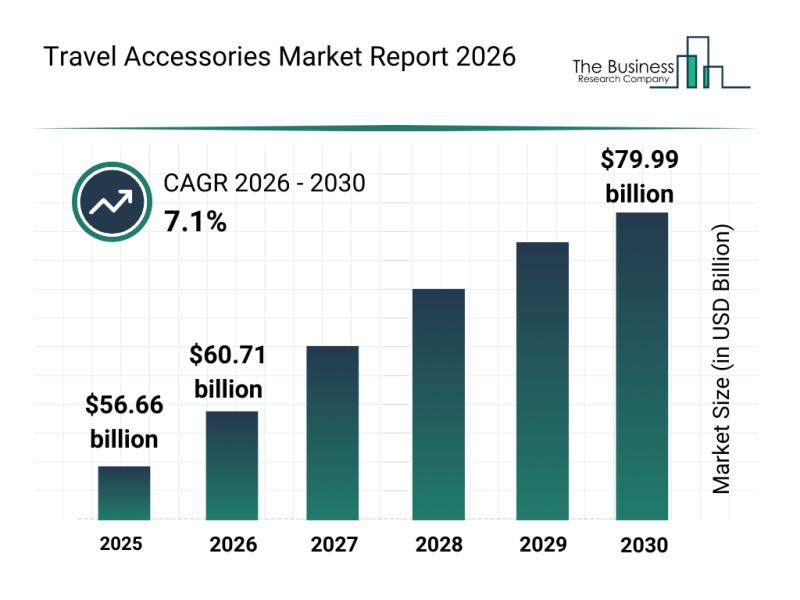
It’s also a bet backed by real market momentum. The global travel accessories market growth story is a strong one: the sector was valued in the tens of billions of dollars in 2025, and analysts expect steady annual growth over the next decade, with luggage and bags alone accounting for a large share of that spend. Comfort accessories and travel electronics continue to be dominant categories as well, reflecting how much travelers now expect their gear to double as both function and comfort — a neck pillow that also charges a phone, a bag that’s both a daily carry and a travel companion.
A meaningful share of that growth is happening online, as more shoppers research and buy travel gear directly through e-commerce platforms and brand websites before they ever leave home, rather than picking things up at an airport kiosk or big-box store on the way out the door. That shift is reshaping who succeeds in the category. The emerging players in travel accessories increasingly include smaller, direct-to-consumer brands competing alongside established names, betting that a focused catalog and a clear brand voice can win attention that a sprawling marketplace listing can’t.
Why Now?
The timing lines up with a broader shift in how people shop for travel gear. Online retail penetration in the category has been climbing for several years, driven by international travel returning to pre-pandemic volumes and a new generation of shoppers who default to researching and buying gear online rather than waiting until they’re already at the airport. Reviews, unboxing videos, and social recommendations now do a lot of the persuading that a physical store display used to handle.
Seasonal buying patterns tell a similar story. Recent 2026 ecommerce shopping trends show luggage and travel accessory purchases spiking well ahead of peak travel seasons, as people update or replace gear before a big trip rather than scrambling at the last minute. That means demand for travel gear isn’t just a summer phenomenon — it clusters around planning season, whenever that happens to fall for a given traveler, which gives a smaller store more than one shot a year to catch a shopper at the right moment.
For a small, independently run store like Essential For Travel, that timing matters. It doesn’t need to out-market the giants of the space; it just needs to be a reliable, easy-to-navigate option for the segment of travelers who’d rather buy from a focused shop than dig through a massive marketplace listing thousands of near-identical products from unknown sellers, with no clear sense of who’s actually behind the storefront.
What Sets It Apart
Being new comes with real tradeoffs. Essential For Travel doesn’t yet have the reviews, brand recognition, or track record of larger, established travel retailers — and for shoppers, that means doing a bit of homework before ordering: checking return policies, confirming contact details, and starting with a smaller order to see how fulfillment and service hold up in practice. That’s not a knock on the store specifically; it’s simply the reality every new retailer faces before it has a reputation to lean on.
What it does have is a straightforward, traveler-first pitch: solid-color and neutral-toned bags, multifunctional totes and crossbody bags, portable electronics, and personal care items, all built around the idea that travel gear should reduce friction, not add to it. Whether that’s a large-capacity shoulder bag that doubles as a daily tote and a travel companion, a compact organizer that keeps a carry-on from turning into chaos, or a portable charger sized to actually fit in a jacket pocket, the focus stays on function first — the kind of gear that earns its place in a suitcase trip after trip rather than getting left behind after one use.
That focus on function extends to how the catalog is built out. Rather than chasing every trending product category at once, the store appears to be starting narrow — bags, electronics, and personal care essentials that solve everyday travel annoyances — with room to expand as the brand builds a track record. For a new entrant without the marketing budget of an established competitor, that kind of restraint can be a strength: a smaller catalog is easier to stand behind, and easier for a shopper to trust, than a storefront trying to sell everything to everyone.
The Bigger Picture
Essential For Travel is entering the market at a moment when the travel accessories category itself is being reshaped — by e-commerce growth, by a new wave of tech-enabled gear, and by shoppers who increasingly discover products through social platforms rather than traditional search. Small, focused stores that can move quickly and build a clear identity have a real opening in that environment, even without the scale of a legacy retailer behind them. The barrier to entry has dropped, but so has the tolerance shoppers have for stores that don’t deliver on the basics: real customer service, honest return policies, and gear that matches its description.
Whether Essential For Travel becomes a lasting name in the space will come down to the fundamentals every new retailer has to prove out over time: consistent fulfillment, responsive customer service, and gear that holds up to the trips people actually take. Reviews will matter more than marketing once enough orders have shipped, and word of mouth — good or bad — will likely do more to shape its reputation than any single ad campaign. For now, it’s a new option worth watching for travelers looking for a simpler way to shop for the essentials, with the understanding that “new” also means “unproven,” and that patience and a bit of due diligence go a long way with any store still building its track record.
Sources
- travel accessories market growth — Future Market Insights
- emerging players in travel accessories — openPR.com
- 2026 ecommerce shopping trends — Rithum