
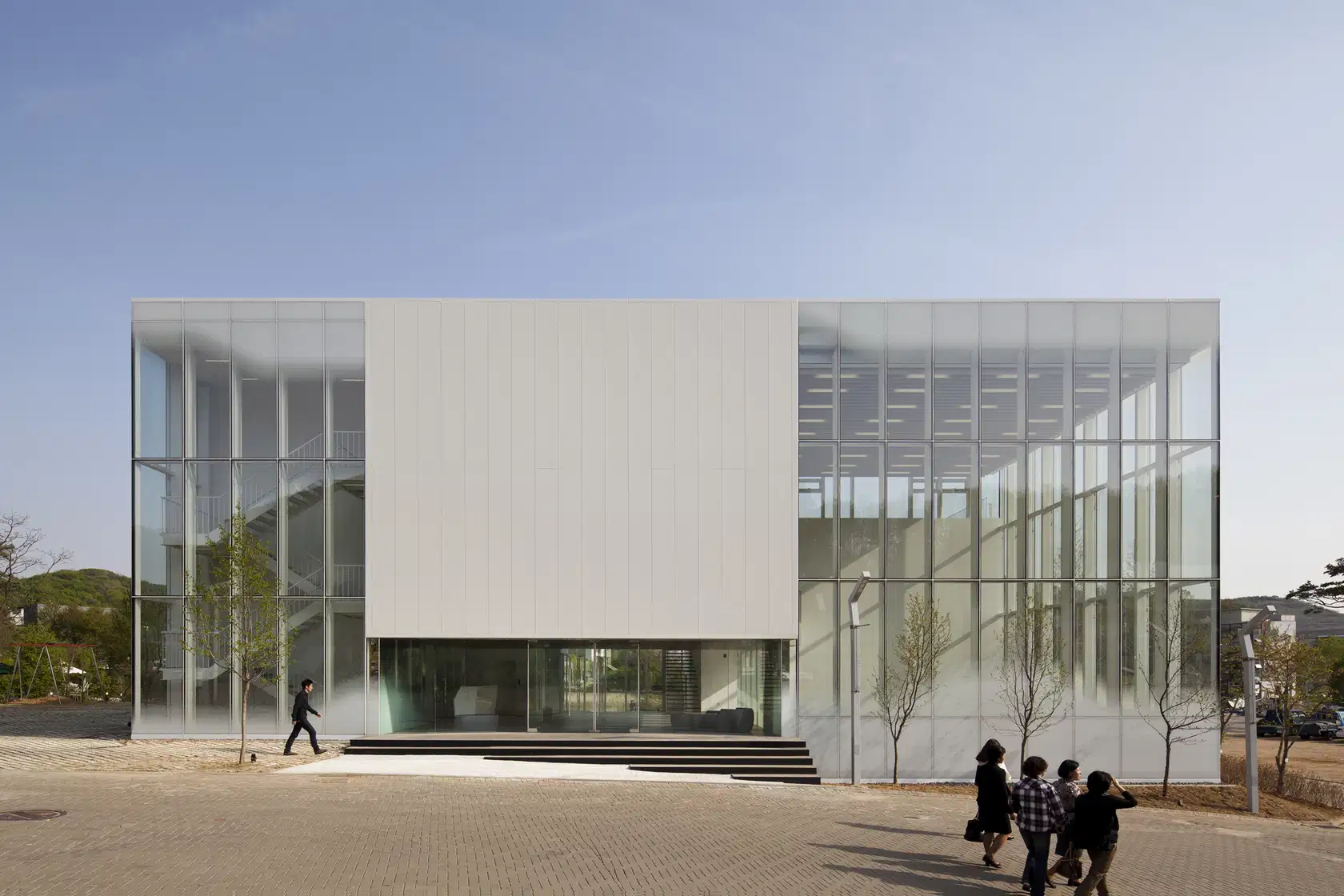
A rattling glass panel might seem like a minor annoyance until it starts shifting inside its frame. Commercial windows depend on small supporting components to hold heavy glass securely while allowing for normal temperature changes. Glazing gaskets and setting blocks handle much of that work, making their quality and placement important for the long-term performance of storefront systems.
How Glazing Gaskets Keep Glass Panels Secure
Glazing gaskets sit between the glass and metal framing, providing flexible contact that helps prevent unwanted movement. Manufacturers commonly use EPDM rubber because it resists weather exposure and maintains elasticity across changing temperatures. Properly fitted gaskets also help keep outside air and rainwater from passing through joints around the glass.
A gasket must match the thickness of the panel and the shape of its framing system. Loose-fitting materials may allow rattling, while excessive compression can create unnecessary pressure against the glass. Installers follow manufacturer specifications to maintain a secure fit without restricting normal movement.
Why Setting Blocks Matter More Than Their Size Suggests
Setting blocks are small supports placed beneath glass panels to carry their weight. Without proper support, heavy glazing can settle against metal framing and develop concentrated pressure along its edges. These blocks maintain bottom clearance while transferring the load into the frame.
Installers generally position setting blocks near the quarter points of a panel, although certain glazing systems require different arrangements. Correct spacing helps distribute weight evenly and prevents the glass from resting on corners or hard framing surfaces.
Choosing Materials That Can Support Heavy Commercial Glass
Setting blocks must remain firm enough to support substantial weight without excessive compression. Common materials include compatible neoprene, EPDM, and other glazing-grade compounds. Hardness, thickness, and chemical compatibility matter because unsuitable materials may deform or react with glazing sealants.
Material selection also depends on the size and weight of the glass. Large insulated units place different demands on supports than smaller single-pane panels. Contractors check product specifications to determine which materials can maintain the required clearance over time.
Can Worn Gaskets Make Storefront Glass Rattle?
Repeated door movement, wind pressure, and aging materials can expose problems with poorly fitted glazing gaskets. Rubber components may harden, shrink, or pull away from their original positions. Once contact pressure decreases, glass panels can begin vibrating within the framing system.
Businesses with storefront glass in Birmingham may notice rattling during windy weather or whenever nearby entrance doors close. An inspection can identify damaged gaskets, loose glazing stops, or movement within the frame. Replacing worn components with compatible materials often helps restore proper glass support without replacing an otherwise sound panel.
Preventing Glass Edges From Touching Metal Framing
Glass edges need clearance because direct contact with aluminum or steel can create concentrated stress. Temperature changes cause framing materials to expand and contract, while wind pressure produces slight movement in properly designed glazing assemblies. Setting blocks and gaskets help accommodate these conditions.
Incorrect glass dimensions can reduce the space available for movement. A panel installed too tightly may experience pressure around its edges, increasing the risk of cracking. Accurate measurements and suitable glazing accessories help prevent contact between glass and hard framing components.
How Proper Glazing Support Helps Manage Water Intrusion
Commercial framing systems often include drainage channels and weep openings that direct collected water outside. Setting blocks keep the glass elevated so it does not obstruct designed drainage paths. Glazing gaskets help limit water entry, although many storefront systems also rely on internal drainage.
Damaged components can interfere with this arrangement. Property managers inspecting storefront glass should check gasket condition, blocked drainage openings, and deteriorated perimeter sealants. Correcting these problems helps protect interior walls and flooring from moisture damage.
Knowing Which Window Components Need Attention
Commercial glazing repairs require a different approach from ordinary window maintenance because larger glass panels depend on engineered framing and support systems. Property owners searching for a window replacement company near me should look for contractors familiar with commercial glazing assemblies. Experienced replacement window companies can assess damaged glass, worn gaskets, and framing conditions before recommending repairs or replacement.
Other window components serve different but equally practical purposes. For example, window screen repair in Birmingham AL helps maintain ventilation and insect protection in buildings with operable windows. Screen mesh, retaining spline, and lightweight screen frames require their own maintenance, while commercial glazing gaskets and setting blocks support solid glass panels.
Checking Glass Support Before Problems Become Expensive
Small changes in glass alignment can indicate that supporting components need attention. Visible gasket gaps, unusual rattling, and panels that appear uneven inside their frames deserve professional inspection. Technicians can examine setting block placement, gasket compression, glass clearance, and frame stability to locate the problem.
Commercial property owners should also consider the condition of surrounding hardware and drainage components during maintenance. NelBran provides commercial glass installation, repair, replacement, and glazing services in Birmingham, helping businesses address damaged storefront assemblies, architectural glass, and metal framing systems where proper support and alignment affect long-term performance