
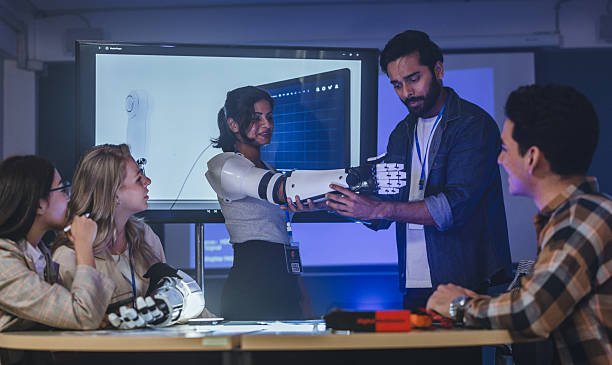
So, I was scrolling through my LinkedIn the other day, and there’s this endless parade of posts from engineers bragging about their new robotic arms, autonomous drones, or some self-driving car project. And I couldn’t help but think—wait, did robotics just go from “cool side project” to “must-know skill”? Honestly, it feels like every other tech company now expects engineers to know a bit about sensors, motors, AI algorithms, and maybe even a dash of mechanical design. And if you’re still thinking, “Nah, I’ll stick to coding apps,” maybe pause for a second. Because the world isn’t waiting.
I remember back in college, robotics was this optional elective, usually for those nerds who stayed late building little cars that could follow lines or pick up ping pong balls. But fast forward a few years, and suddenly companies are paying big bucks for engineers who can make a robot not just work, but think, adapt, and, well, not break. Honestly, it’s like learning robotics is now the difference between being a carpenter who can only hammer nails and one who can design Ikea furniture from scratch.
Not Just Mechanical Toys Anymore
One big misconception is that robotics is all about hardware and soldering tiny boards. Yeah, there’s that part, but now it’s heavily tied to software. AI, machine learning, computer vision—you name it. I remember trying to make a simple line-following robot in college and thinking I’d nailed it, until I realized it could only work on perfectly white floors. If it saw a shadow, it freaked out. Now imagine trying to build a robot that can navigate a messy warehouse or help in surgery—total different league. That’s why modern robotics education is this weird hybrid of coding, electronics, and a little bit of philosophy—because sometimes you gotta make robots make decisions, and teaching them ethics… well, that’s another headache.
Honestly, there’s something oddly satisfying about coding a robot that actually moves the way you imagined. It’s kind of like when you finally figure out a recipe you’ve been messing up for weeks. You taste it, it works, and you feel like a genius. Only with robotics, the stakes are higher. Your robot could tip over, crash, or ruin your expensive components if you’re careless. But that’s the fun part, right? The trial and error makes you learn things you’d never get from just reading a textbook.
Why Engineers Can’t Ignore It
Here’s the thing: automation isn’t coming—it’s already here. From Amazon warehouses to self-driving trucks, industries are looking for engineers who can not just code, but integrate code with moving machines. And if your resume doesn’t show you can deal with a little mechanical chaos, well… good luck explaining that to recruiters. Even in fields like finance or healthcare, robotics is creeping in. Think robotic process automation (RPA), smart surgical assistants, or automated inspection drones. The engineers who know robotics are suddenly the ones who get called for exciting projects, while the rest are stuck maintaining legacy systems.
And let’s be honest, the online chatter reflects this shift too. Twitter and Reddit are full of engineers sharing their first shaky attempts at building robots, posting videos of their AI-powered pets, or joking about how their “robot overlord” finally works. There’s almost a cultural shift, like robotics is becoming a rite of passage. Even TikTok is full of short clips where students show off robots that can dance, fetch snacks, or do weird stunts. So, it’s not just a technical skill anymore—it’s also about showing you’re adaptable and creative.
Not Everyone Needs to Be a Full-Blown Robo-Genius
Now, before you panic, I should say, you don’t have to become some robotics PhD overnight. The point isn’t to turn every engineer into a full-blown robot whisperer. It’s more about understanding the fundamentals. Sensors, motors, actuators, basic AI, control systems—get these right, and suddenly your engineering toolkit is way broader. Even dabbling in simple robotic kits or simulation software teaches you problem-solving in ways pure coding can’t. And trust me, that weird “my robot just crashed” frustration? That’s actually a skill-building moment disguised as disaster.
Here’s a fun fact most people don’t realize: the demand for robotics engineers has grown over 40% in just the last five years. That’s not a small blip; that’s basically screaming, “learn robotics or get left behind.” And while the idea of assembling robots might sound intimidating, tools are getting easier. Platforms like Arduino, Raspberry Pi, and even cheap DIY kits make it accessible, so you don’t need a full lab to start. You can experiment in your living room, kitchen, or wherever, and still learn something that’s actually relevant professionally.
A Personal Take
I’ll be honest—I was skeptical at first. I thought, “Robotics? Isn’t that just for the MechE folks?” But after tinkering with a tiny robot arm I bought online, I realized it’s way more than soldering wires. It teaches patience, logical thinking, and creative problem-solving. Plus, there’s a weird sense of joy seeing a machine actually obey your instructions. And in a weird way, it makes you appreciate the simpler engineering work you’ve done before—like coding a script or debugging a system. Suddenly, you see the physical world interacting with code, and it’s kinda magical.
So yeah, robotics isn’t just a passing trend or some niche field for hobbyists. It’s merging with almost every engineering discipline. From mechanical to software to electrical, if you want to stay relevant and maybe even have fun along the way, diving into robotics—even just a little—is probably worth it. And hey, if nothing else, it makes for some pretty cool TikTok content and bragging rights at tech meetups.
Final Thoughts
If you’re an engineer, consider this your nudge. Robotics isn’t replacing core subjects like math or programming, but it’s definitely becoming part of the “must-know” mix. The field is evolving, jobs are evolving, and the world is evolving—maybe faster than we realize. Learning robotics is like investing a little time now for a skill that could pay off huge later, not just in career opportunities, but in understanding the machines that are slowly but surely taking over the world… in a friendly, helpful way, of course.
In short, yes, robotics is messy, sometimes frustrating, and definitely complex. But it’s also insanely rewarding, kinda like trying to assemble IKEA furniture without instructions, but with the furniture occasionally dancing on its own. And honestly, who wouldn’t want to see that happen?