
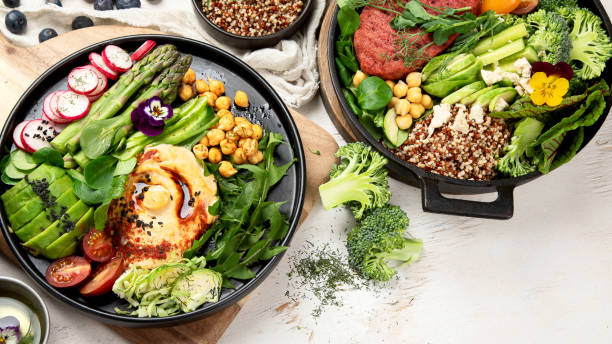
Honestly, it feels like everywhere I look these days, someone’s holding a burger that doesn’t have a single drop of meat in it. Plant-based proteins are everywhere. Even my local greasy spoon, the one that still has “meatloaf Mondays,” now offers a black bean burger. I mean, what is happening? And no, it’s not just some fad people will forget next month. Restaurants and fast-food chains are betting big money that people want plants, not cows, on their plates.
Social Media Made It Cool
Part of this plant protein craze? Instagram, TikTok, all those social feeds where someone flexes a “vegan steak” that honestly looks more like something from a science lab. You scroll and suddenly it’s like, oh maybe I should try lentil meatballs or jackfruit tacos. People aren’t just eating this stuff for health or ethics; they’re eating it because it makes a good story online. And let’s be real, there’s a little bit of FOMO—if your feed is full of “plant-based this, plant-based that,” you start feeling guilty eating a regular bacon cheeseburger.
The Health Angle (Sort Of)
Yeah, we’ve all heard the health spiel: less cholesterol, less saturated fat, more fiber. But here’s the kicker—not all plant-based proteins are magically healthy. Some are processed like crazy to taste like real meat. Like, that “burger” might have a protein source from peas, but also a list of ingredients that looks longer than my last rent agreement. But still, people feel like they’re making a better choice, and honestly, that matters. Feeling good about what you eat counts for something.
Sustainability Is More Than a Buzzword
Another reason menus are green-ing up? Climate change, duh. Producing plant proteins usually leaves a smaller carbon footprint than raising cows or pigs. There’s this stat floating around—beef produces like 27 kilograms of CO2 per kilogram of meat, while beans are less than 2. And that’s just the tip of the iceberg (no pun intended). Even smaller restaurants are getting savvy, advertising “eco-friendly menu items” because customers actually care. I saw a tiny café in my neighborhood bragging on Twitter about using locally sourced tempeh. People actually cheered in the comments.
It’s About Variety Too
Here’s something I never thought about until I tried cooking more at home: plant proteins force you to experiment. You start with lentils and end up with chickpea miso burgers or edamame hummus pizza. Some of it’s weird, some of it’s amazing, but it’s a way to mix things up. People are bored of the same chicken breast, steak, or shrimp routine. The novelty factor is huge.
Even Big Brands Can’t Resist
Remember when McDonald’s had that “McPlant” burger? Or Burger King with the Impossible Whopper? Big chains aren’t putting this on the menu because they care about your Instagram likes (well, maybe partly). It’s because they see the numbers: plant-based products are selling. Sales reports from 2025 said plant-based burgers in the U.S. grew nearly 40% in a year. That’s wild. People might grumble about fake meat tasting weird, but they’re buying it anyway.
It’s Not Just Meat Substitutes
Also, plant-based proteins aren’t just pretending to be meat. There’s tofu, tempeh, seitan, lentils, beans, nuts, and even quinoa showing up in dishes that have nothing to do with burgers. I went to a Mexican place last week, and they had jackfruit carnitas tacos. I didn’t believe it at first, but holy heck—they were amazing. Chewy, saucy, spicy. Like the chef somehow hacked the matrix of plant proteins.
The Economics Behind the Shift
Here’s a little insider info from my foodie friends: it’s cheaper in the long run. Meat prices keep going up thanks to supply chain chaos, feed costs, and pandemics. Plants are cheaper to source and store. For restaurants, offering plant proteins can actually help with margins. And that’s probably why we’re seeing them everywhere, not just in trendy vegan spots.
People Are Curious, Not Necessarily Committed
Funny thing though: lots of people trying these plant-based items aren’t hardcore vegans. They just want to try something new or reduce meat intake without making a full lifestyle switch. I saw a thread on Reddit where people were posting pictures of their “accidental vegan meals” from fast food because they didn’t notice the menu had a meat-free option. The comments were hilarious—half were “oops I guess I’m saving the planet today” and the other half were “this tastes weird but ok.”
The Bottom Line
So yeah, plant-based proteins are taking over menus for a bunch of reasons: social media hype, health claims, sustainability, curiosity, and even economics. They’re not perfect, not always healthy, and definitely not the same as real meat—but they’re here to stay. Maybe it’s not about replacing meat entirely but about giving people more options. And honestly, if a black bean burger can get me to think twice about my lunch and maybe make me feel like I’m doing a tiny bit for the planet, I’m not complaining.
Next time you see a menu covered in plant-based options, don’t roll your eyes. Give it a shot. Worst case, it’s edible. Best case, it’s surprisingly good and you can brag about it on Instagram without guilt.