
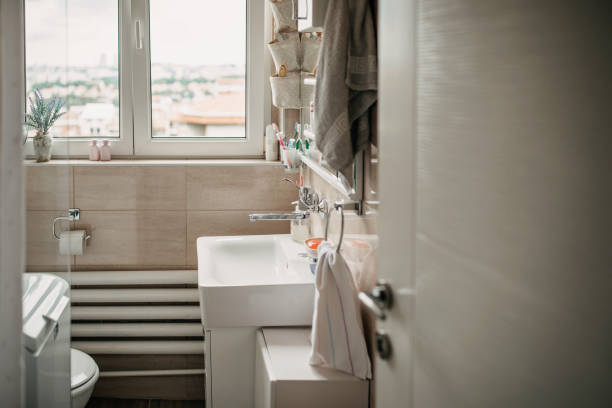
I used to think remodeling small bathrooms was mostly about picking cute tiles and maybe changing a sink, but honestly… it’s more like playing real-life Tetris where every inch matters and one wrong move makes the whole thing feel cramped. Small bathrooms are tricky because you’re not just designing something nice to look at, you’re fighting physics, plumbing, and sometimes your own unrealistic Pinterest expectations. And yeah, I learned that the hard way after helping a friend redo his apartment bathroom that barely fit one person standing straight.
When small spaces start feeling smaller than they are
Most people assume their bathroom feels tight because it actually is tiny. Sometimes that’s true, but a lot of the time it’s just bad layout decisions stacked over years. Oversized vanities, swinging doors that eat up space, weird storage cabinets installed in the early 2000s when bulky furniture was somehow a trend. I once saw a bathroom where the cabinet door hit the toilet every time it opened. Who approved that? No idea.
Designers online keep saying “maximize spatial flow,” which sounds fancy but really just means stop blocking walking space. Think about it like a crowded kitchen during a family wedding — if everyone stands in the middle, chaos. Move things toward walls and suddenly it works better.
There’s also this thing people underestimate: visual clutter. Too many textures, colors, and shapes make a room feel smaller even if measurements didn’t change. TikTok renovation creators talk about this a lot lately, and surprisingly they’re right for once. Keeping materials consistent tricks your brain into seeing continuity instead of boundaries.
Why storage is secretly the main character
I swear, storage decisions make or break small bathrooms more than tiles or lighting ever will. People often add cabinets thinking more storage equals more comfort, but bulky storage is like carrying a huge backpack in a crowded bus. Technically helpful, practically annoying.
Floating vanities changed my opinion completely. The first time I saw one installed, I thought, “okay this looks nice but does it really matter?” It does. Seeing floor space underneath creates this weird psychological breathing room. There’s actually a niche stat floating around interior design forums saying visible floor area can make rooms feel up to 20% larger psychologically. Not sure who measured that exactly, but honestly it feels believable.
Wall niches inside showers are another underrated trick. Instead of those metal racks hanging awkwardly, recessed storage blends in. Less visual noise, fewer corners to bump your elbow into while shampooing half awake at 7 AM.
Lighting mistakes people repeat again and again
Lighting is where many remodels quietly fail. One ceiling light in the center just doesn’t cut it, especially in smaller rooms where shadows hit harder. A bathroom without layered lighting feels like trying to take selfies under harsh office lights — technically functional, emotionally disappointing.
Soft side lighting near mirrors works way better. It removes harsh shadows and somehow makes mornings less aggressive. Also, mirrors themselves are doing more work than we give them credit for. Bigger mirrors reflect light and depth, almost like opening an invisible window.
I once replaced a tiny mirror with a wall-wide one in a rental bathroom (landlord approved, thankfully), and visitors literally asked if I expanded the room. Nope. Same square footage, just smarter reflection.
Choosing materials without making the room busy
There’s this myth that small bathrooms must always be plain white. I used to believe that too until I saw darker tiles done correctly. The trick isn’t avoiding bold choices, it’s avoiding too many competing ones.
Large tiles actually work better than tiny mosaic patterns because fewer grout lines make surfaces feel uninterrupted. It’s kind of like wearing clothes with fewer seams — cleaner look, less visual chaos. Matte finishes also hide water spots better, which is something influencers rarely mention but real people definitely notice after week one.
And please, for the love of sanity, avoid mixing five metal finishes in one room. Chrome faucet, brass handle, black shower frame, gold mirror… suddenly it looks like a hardware store exploded.
Layout changes that feel scary but help the most
Sometimes the biggest improvement comes from moving things people assume are permanent. Swapping a swinging door for a sliding or pocket door alone can free surprising space. I’ve seen bathrooms gain enough clearance just from that change to add proper storage without shrinking movement area.
Corner sinks are another underrated solution. Not glamorous, but extremely practical. They remind me of corner desks in tiny college dorm rooms — not what you dream about, but suddenly everything fits and life becomes easier.
Online forums always debate whether bathtubs should stay in small bathrooms. Honestly, unless you actually take baths regularly (be honest with yourself), removing it for a walk-in shower often makes daily life smoother. Most people use tubs as laundry storage anyway, which is… kind of sad but true.
Budget reality nobody talks about
Here’s something I wish more articles admitted: remodeling costs creep up like subscription charges you forgot about. Plumbing adjustments especially can surprise you. A small bathroom doesn’t automatically mean a small budget because labor complexity stays almost the same.
One contractor told me small remodels sometimes cost more per square foot than large ones because precision work takes longer. That stuck with me. It’s like tailoring a fitted suit versus sewing a blanket — smaller doesn’t mean easier.
People on Reddit renovation threads constantly complain about underestimating ventilation upgrades too. Proper exhaust fans prevent mold and save money long term, but they’re rarely the “fun” purchase homeowners get excited about posting.
The emotional side of redesigning tiny spaces
What surprised me most is how much a small bathroom upgrade changes daily mood. Sounds dramatic, but starting your morning in a cramped, cluttered space genuinely affects energy levels. After finishing my friend’s remodel, he joked that he suddenly enjoyed brushing his teeth. That sounds ridiculous until you experience it.
Near the end of any project, there’s always that moment where you question every decision. Tiles look wrong, colors feel off, budget feels stretched. Then everything comes together in the final cleaning phase and suddenly the room feels twice as big without adding a single inch. That’s kind of the magic behind remodeling small bathrooms — it’s less about expansion and more about perception.
At the end of the day, small bathrooms don’t need miracles. They just need smarter choices, a bit of patience, and maybe lowering expectations from “luxury spa resort” to “actually functional and calm.” Honestly, that’s already a huge win.