
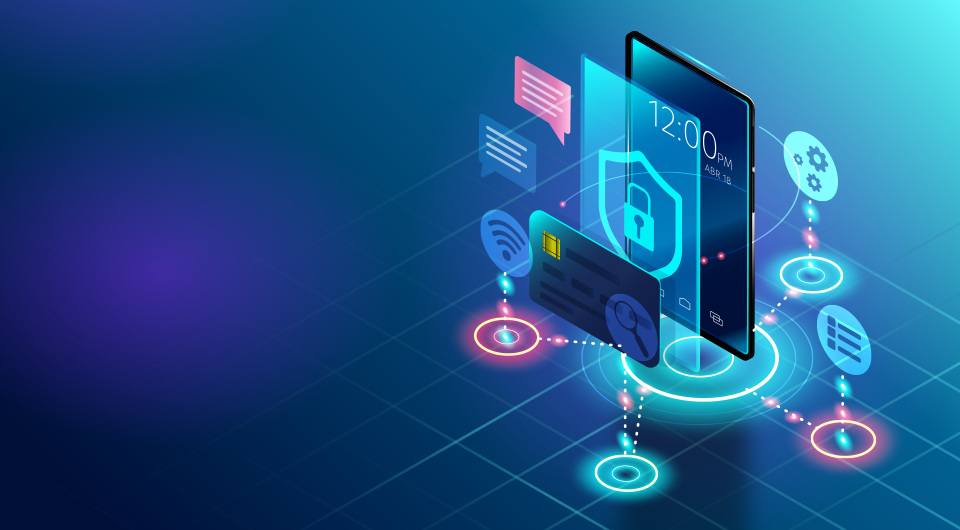
A few years ago, launching a mobile application was mainly about functionality and user experience. Today, it’s equally about protection. With millions of users relying on mobile apps to handle sensitive data such as financial information, personal messages, and business operations, security has become a critical responsibility. Modern iOS app security solutions play a vital role in helping developers and organizations protect their applications, users, and digital assets from evolving cyber threats.
Security is no longer optional. It is an essential foundation for long-term success in the mobile ecosystem.
The Growing Importance of Securing iOS Applications
Apple’s ecosystem has long been recognized for its strong built-in security features. However, relying solely on platform-level protection is no longer enough. As applications become more powerful and interconnected, they also become more attractive targets for attackers.
Hackers today use advanced techniques such as reverse engineering, code injection, runtime manipulation, and data interception. Their goal is to exploit weaknesses in applications rather than the operating system itself.
This shift means developers must take additional steps to secure their apps beyond default protections. Without proper safeguards, applications risk exposing sensitive data, compromising user trust, and damaging brand reputation.
Why iOS Apps Are Valuable Targets
It’s easy to assume that iOS apps are immune to threats because of Apple’s controlled environment. In reality, their popularity makes them highly valuable targets.
Several factors contribute to this:
- High concentration of premium users
- Financial transactions within apps
- Enterprise applications handling sensitive business data
- Intellectual property embedded in app code
- Authentication tokens and personal information
Attackers often focus on extracting valuable data, cloning applications, or bypassing subscription systems. Protecting these digital assets requires proactive and intelligent security strategies.
The Role of Proactive Security in Modern App Development
Security should not be treated as a final step before deployment. It must be integrated throughout the entire development lifecycle.
This includes:
- Secure coding practices
- Threat modeling during design
- Continuous testing and vulnerability scanning
- Runtime protection mechanisms
- Monitoring and incident response
By building security into every stage, developers reduce the chances of exploitable vulnerabilities. This proactive approach is far more effective than reacting after an attack occurs.
Protecting Sensitive Data at Every Level
Data is one of the most valuable assets within mobile applications. Protecting it requires multiple layers of security.
Encryption
Encryption ensures that even if data is intercepted, it cannot be read or misused.
This applies to:
- Data stored on devices
- Data transmitted between servers
- Authentication tokens
- User credentials
Secure Storage
Sensitive information should never be stored in plain text. Secure storage methods prevent unauthorized access even if a device is compromised.
Secure Communication
Using secure communication protocols prevents attackers from intercepting data during transmission.
These practices help ensure data confidentiality and integrity.
Preventing Reverse Engineering and App Tampering
One of the most effective ways attackers exploit applications is by analyzing and modifying their code.
Advanced iOS app security solutions use techniques such as:
- Code obfuscation to make code difficult to understand
- Anti-tampering protection to detect unauthorized changes
- Runtime protection to prevent manipulation
- Jailbreak detection to identify compromised devices
These measures make it significantly harder for attackers to analyze or modify applications. As a result, intellectual property and sensitive logic remain protected.
Strengthening Authentication and Access Control
Authentication is often the first line of defense against unauthorized access. Weak authentication systems can expose entire applications to attackers. Strong authentication mechanisms help prevent this.
Examples include:
- Multi-factor authentication
- Token-based authentication
- Session protection
- Secure credential management
These measures ensure that only authorized users can access protected features and data. Strong access control protects both users and organizations.
Securing Applications During Runtime
Even well-designed applications can be vulnerable while running on user devices. Runtime protection adds an extra layer of defense.
Runtime security can:
- Detect suspicious activity
- Prevent code injection
- Block debugging attempts
- Stop unauthorized modifications
This real-time protection ensures applications remain secure even in hostile environments. Runtime protection is especially important because many attacks occur while apps are actively running.
Supporting Compliance and Industry Standards
Many industries have strict regulations for protecting user data. Failure to comply can result in legal consequences and financial penalties.
Security measures help organizations meet compliance requirements such as:
- Data protection regulations
- Privacy standards
- Financial security requirements
- Enterprise security policies
Compliance not only reduces legal risk but also builds trust with users and partners. Organizations that prioritize security demonstrate responsibility and professionalism.
Preparing for Future Threats and Challenges
Cyber threats continue to evolve rapidly. Attackers constantly develop new methods to exploit applications.
Modern iOS app security solutions are designed to adapt to changing threats. They provide scalable protection that evolves alongside applications and technologies.
Future-focused security strategies include:
- Continuous monitoring
- Threat intelligence integration
- Automated threat detection
- Adaptive security mechanisms
These capabilities help ensure long-term protection. Organizations that invest in future-ready security are better prepared for emerging risks.
Integrating Security Without Compromising User Experience
One common concern is that security may negatively impact user experience. However, modern security solutions are designed to operate seamlessly.
Effective security should:
- Run in the background without slowing performance
- Avoid disrupting normal user interactions
- Maintain app responsiveness
- Support smooth functionality
Users benefit from strong protection without noticing any negative impact. This balance between security and usability is essential.
The Role of Security in Long-Term App Success
Mobile applications are no longer temporary tools. They are long-term platforms that evolve continuously. Security plays a critical role in ensuring their sustainability.
Secure applications experience:
- Fewer disruptions
- Lower risk of data breaches
- Greater user confidence
- Stronger business growth
Security supports both technical and business success. Organizations that prioritize protection position themselves for long-term stability.
Conclusion
As mobile applications continue to handle increasingly sensitive data, security has become a fundamental requirement rather than an optional feature. From protecting user information and preventing reverse engineering to securing runtime environments and supporting compliance, modern security strategies ensure applications remain resilient against evolving threats.
Investing in advanced protection helps developers safeguard their applications, maintain user trust, and protect valuable intellectual property. Organizations that prioritize security are better equipped to thrive in today’s competitive digital landscape.
For businesses seeking reliable and advanced protection, platforms like Doverunner offer specialized tools that help strengthen mobile applications and ensure long-term security in an ever-changing threat environment.