
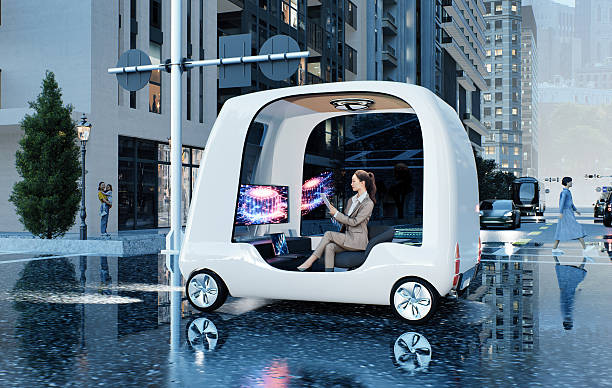
The idea sounds cool, right? Just imagine sitting back, sipping coffee, scrolling through your socials, while your car does all the hard work. Feels like a sci-fi movie, but with Tesla, Waymo, and a bunch of other companies out there, it’s kinda becoming real. But, let’s be honest, it’s not as simple as popping into your car and letting it do everything while you nap.
Tech dreams vs reality
I remember reading somewhere (probably on Reddit, so take it with a pinch of salt) that the early versions of self-driving cars couldn’t even handle a simple roundabout without panicking. And honestly, can we blame them? Driving is messy. There’s rain, people jaywalking, dogs running into streets, that one uncle who brakes at literally everything… Humans barely survive that, and we’re supposed to trust a machine?
The technology has gotten insanely better. Lidar, radar, cameras, AI algorithms that can predict a pedestrian’s next move… it’s all fancy stuff. But then again, there’s still a problem with weird edge cases. Like, apparently one self-driving car in California stopped in the middle of the road because a plastic bag was “blocking its path.” I mean… come on. We’ve all swerved around a bag, but our robo-friend can’t. It’s like teaching your dog to fetch, but he only fetches tennis balls and ignores everything else.
Money, money, money
If you think self-driving cars are just about tech, nah… it’s about money too. The cost of developing these systems is insane. Some numbers I saw online said Waymo spends over a billion dollars a year testing and improving their software. Billion, with a B. Meanwhile, the price tag for a fully autonomous vehicle for everyday folks is still kinda high. It’s not just buying the car — you gotta think insurance, maintenance, software updates, maybe even some kind of “AI driving subscription” in the future. It’s like buying a normal car, then paying for a gym membership just so the car can “stay fit” and drive properly.
But here’s the kicker: some experts argue that in the long run, self-driving cars could actually save money. Fewer accidents, less insurance premium hikes, better traffic flow (so maybe you save on gas?), and potentially less car ownership because we could switch to robo-ride sharing like Uber without drivers. It’s like investing in a high-tech coffee machine that also makes breakfast — expensive upfront, but maybe worth it.
What people are saying online
Social media reactions are wild. Some folks are hyped, posting memes about not needing to drive ever again. Others are terrified, imagining an apocalypse where cars just decide they don’t like humans anymore. One thread I stumbled on had someone saying, “If my car drives itself, I’m just gonna nap till it crashes.” Honestly, relatable. There’s this mix of excitement and low-key fear. People love the idea of saving time, but surrendering control? That’s tough.
Daily commute impact
Think about your daily commute. Most of us spend hours in traffic, stressing, honking, or listening to some random podcast we don’t even like. If self-driving cars become mainstream, that time could turn into work hours, gaming hours, or even sleeping hours (don’t judge me, we all need sleep). But, there’s also the tricky part: what happens when not everyone has a self-driving car yet? Roads could become a chaotic mix of humans and robots. And humans driving badly while AI is trying to follow rules… let’s just say, it could get messy.
Also, there’s something funny I noticed — self-driving cars are amazing in simulations or perfect conditions, but in real life, it’s unpredictable. I’ve seen clips of these cars hesitating at construction zones like they’re having a mini existential crisis. So for a bit, we might still need humans in the loop, like co-pilots in airplanes. You wouldn’t just leave the autopilot on for a cross-continental flight and nap the whole time, right? Same idea.
The ethical side
And here’s where it gets heavy. What if a crash is unavoidable? Should the car prioritize the passenger or a pedestrian? These are questions philosophers have been arguing about, and now engineers have to solve them in code. Social media explodes every time there’s an incident, with people debating if the AI “made the wrong choice.” Honestly, it’s kind of scary to think that a line of code might decide something that could change lives.
Small joys of driving
Not to mention, some people just enjoy driving. Me, for example, love those random late-night drives with music blasting, singing like a maniac. Can a self-driving car replace that? Probably not. And that’s fine. Maybe self-driving tech doesn’t need to replace everyone’s driving experience, but just make life easier for those stuck in daily traffic hell.
Looking ahead
So, are self-driving cars the future? Probably yes, in some way. But the timeline is tricky. Maybe in 10–15 years, we’ll have neighborhoods full of AI cars, but with humans still behind the wheel in rural areas, or just chilling like co-pilots in city traffic. The transition is gonna be weird, messy, and full of unexpected memes.
At the end of the day, I feel like self-driving cars are less about creating a perfect, robot world and more about giving humans a choice. Want to drive yourself? Go ahead. Want to chill, watch TikToks, or nap while your car handles traffic? Also fine. And yeah, there will be hiccups, weird plastic-bag halts, and probably a few viral fails, but hey, that’s part of the fun.