
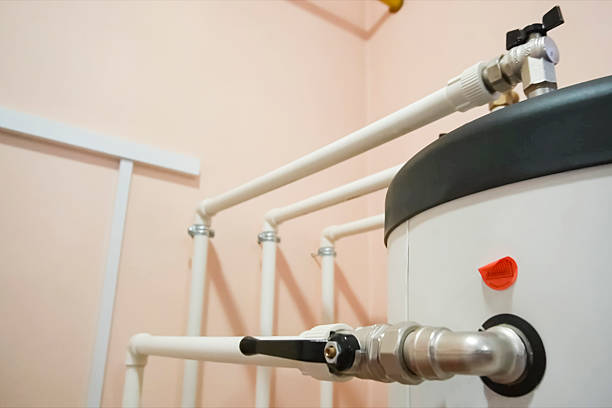
Tankless water heaters are popular because they provide hot water on demand while taking up less space than traditional storage-tank systems. However, like any plumbing appliance, they can develop problems over time. Mineral buildup, restricted water flow, ignition issues, error codes, and inadequate maintenance can all affect performance.
Understanding the common warning signs can help homeowners identify problems early and determine when professional tankless water heater repair is needed.
Common Tankless Water Heater Problems
Although tankless systems are designed for long-term operation, several issues can affect their performance.
1. No Hot Water
One of the most noticeable signs of a problem is a complete lack of hot water. Depending on the system, possible causes can include a power interruption, gas supply problem, ignition failure, restricted water flow, or an internal component issue.
Before attempting any repair, homeowners should check the manufacturer’s instructions and note any error code displayed on the unit. Repeated shutdowns or unexplained failures should be evaluated by a qualified technician.
2. Water Turns Hot and Cold
Inconsistent water temperature can be frustrating, particularly during a shower. Mineral deposits inside the heat exchanger can reduce heating efficiency and restrict water flow. Other possibilities include flow-sensor problems, inadequate system capacity, or multiple fixtures operating simultaneously.
If temperature fluctuations are becoming more frequent, professional inspection can determine whether cleaning, maintenance, or component replacement is necessary.
3. Mineral and Scale Buildup
Hard water can cause calcium and other minerals to accumulate inside a tankless water heater. Over time, scale can interfere with heat transfer and water flow. It may also contribute to temperature fluctuations and error codes.
Regular flushing or descaling is therefore an important part of tankless water heater maintenance. The appropriate maintenance interval depends on the manufacturer’s recommendations, water quality, and household usage.
Low Water Flow Can Affect Performance
Tankless systems require sufficient water flow to activate and operate correctly. A clogged inlet filter, restricted fixture, partially closed valve, or internal scale buildup can reduce flow.
If hot water pressure has gradually decreased, homeowners should not automatically assume that the entire water heater needs replacement. A professional can determine whether the restriction is located at the fixture, plumbing supply, filter, or heater itself.
Understanding Error Codes
Modern tankless water heaters often use digital displays to identify operating problems. Error codes can relate to ignition, flame detection, overheating, water flow, sensors, or venting.
Instead of repeatedly resetting the appliance, record the exact code and consult the manufacturer’s documentation. A recurring error usually indicates an underlying problem that needs to be diagnosed rather than simply reset.
When Professional Repair Is the Better Choice
Some basic checks, such as confirming that a circuit breaker has not tripped or that a water-supply valve is open, may be appropriate for homeowners. However, gas, electrical, combustion, venting, and internal component problems should be handled by qualified professionals.
Professional service may include:
- Diagnosing error codes
- Inspecting water flow and filters
- Flushing or descaling the heat exchanger
- Checking ignition components
- Inspecting gas supply and combustion
- Examining venting and air intake
- Testing temperature and system performance
- Replacing damaged components
Attempting to repair gas or electrical components without the appropriate training can create safety risks.
Preventing Future Tankless Water Heater Repairs
Regular maintenance can help prevent many performance problems. Depending on the manufacturer’s recommendations and local water conditions, maintenance may include periodic flushing, inlet-filter cleaning, inspection of connections, and checking the system for leaks or unusual operating behavior. Tankless systems in hard-water environments may require more frequent attention.
Homeowners should also pay attention to small changes. Reduced water flow, unusual sounds, fluctuating temperatures, or recurring error codes can provide an early indication that the system needs attention.
Repair or Replacement?
Not every malfunction means the water heater needs to be replaced. A professional diagnosis can help determine whether the issue is related to maintenance, a replaceable component, installation, system capacity, or the overall age and condition of the appliance.
For homeowners researching their options, tankless water heater repair services can provide a starting point for understanding available solutions and professional service.
A repair may be appropriate when the primary unit is in good condition and the problem involves a serviceable component. Replacement may make more sense when an older system has repeated failures or when repair costs approach the value of a newer, more efficient unit.
Final Thoughts
Tankless water heaters can provide reliable on-demand hot water for many years when properly installed and maintained. However, issues such as scale buildup, restricted flow, ignition problems, and recurring error codes should not be ignored.
Recognizing warning signs early and arranging professional service when necessary can help prevent minor problems from becoming major plumbing issues. Regular maintenance is equally important because keeping the heat exchanger, filters, connections, and other components in good condition can support dependable performance over the long term.